The “migrant crisis”: sorting the true from the false
The discourse of the European hard right concerning the numbers of migrants crossing the Mediterranean or the Alps doesn’t hold water when met with the facts.

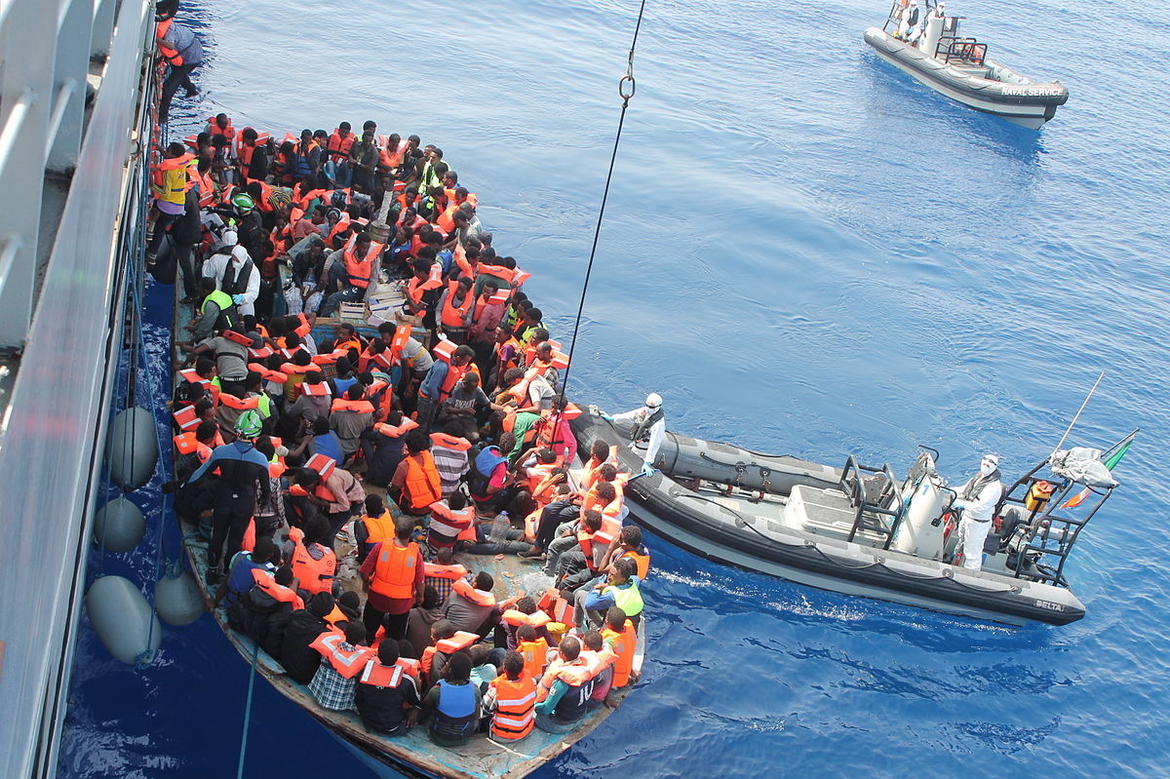
The discourse of the European hard right concerning the numbers of migrants crossing the Mediterranean or the Alps doesn’t hold water when met with the facts.
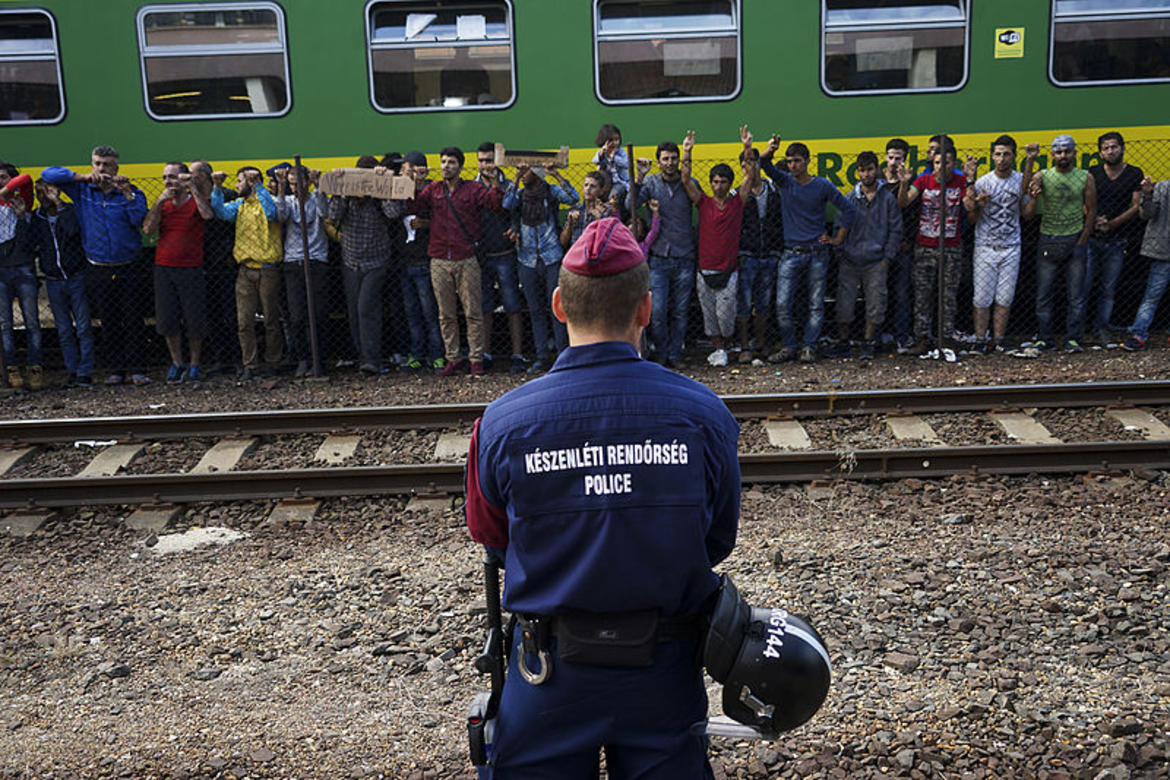
Far fewer people are arriving by sea into Europe compared to the last years, yet the political debate appears to suggest a major migration crisis. The real crisis is about mismanagement and indecision by political leaders.
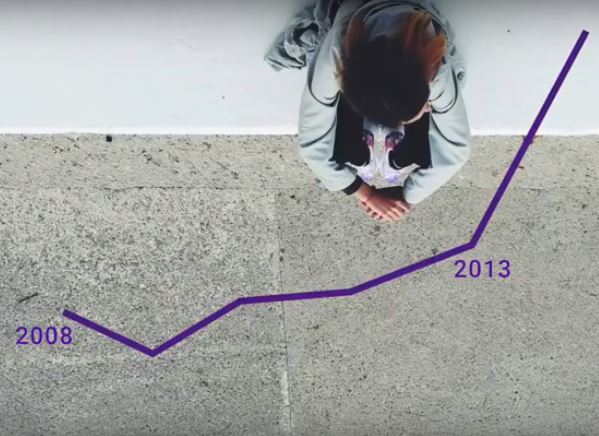
On July 1, 2013 Croatia officially became a member of the European Union. What has changed in the country since accession? In this short video, we look at some aspects of the society and economy of the country.

A database provides data on all television channels and on-demand audiovisual services in Europe.
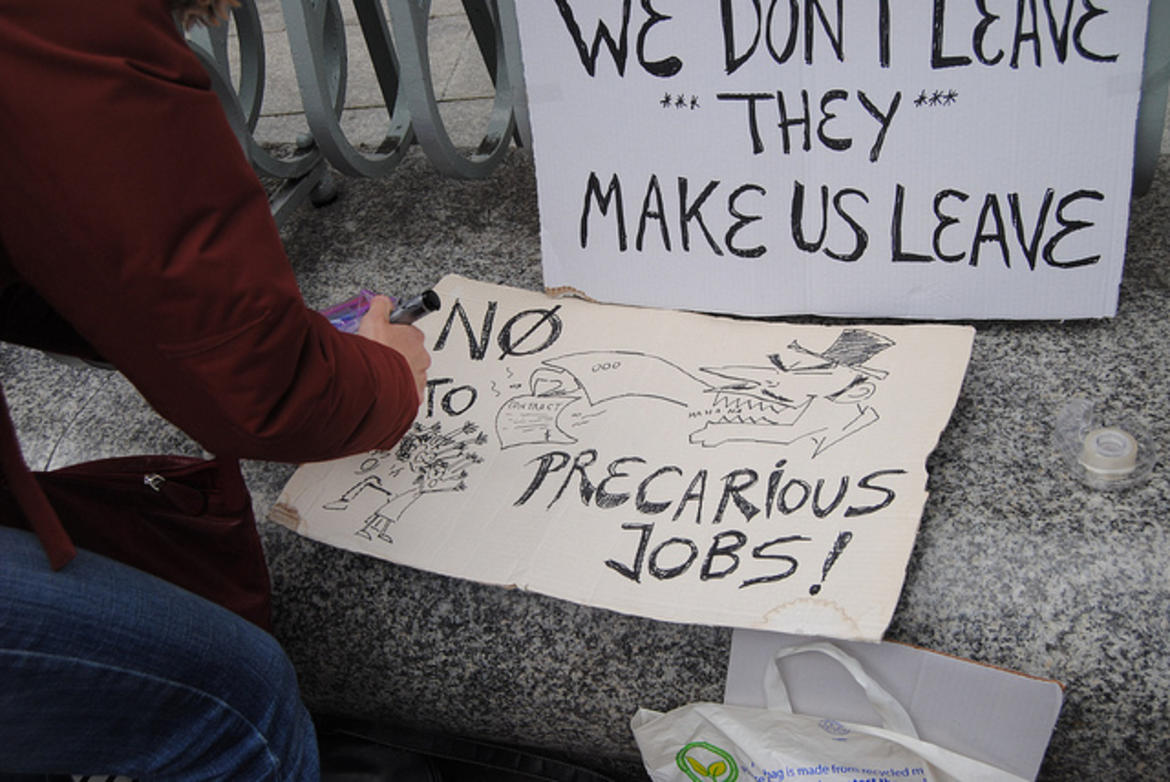
Only 3 percent of the people living in Palermo and 5 percent of those in Naples consider that it is easy to find a job in their city.

According to a recent study by Pew Research Center, “2016 saw an uptick in nationalist activities around the globe”, and especially in Europe.

The Reuters Institute Digital News Report 2018 focuses on the news industry and news consumption patterns, mainly on digital.

Erasmus, the end of roaming charges, the convenience of the euro: the rhetoric promoting the benefits of European integration only really addresses those citizens who regularly travel to other EU countries. In fact, 37 percent of EU citizens have never been outside their own country.

A new independent report reveals how harmful emissions from diesel engines have yet to fall, despite increasingly strict European regulations, and promises from manufacturers to follow the rules.
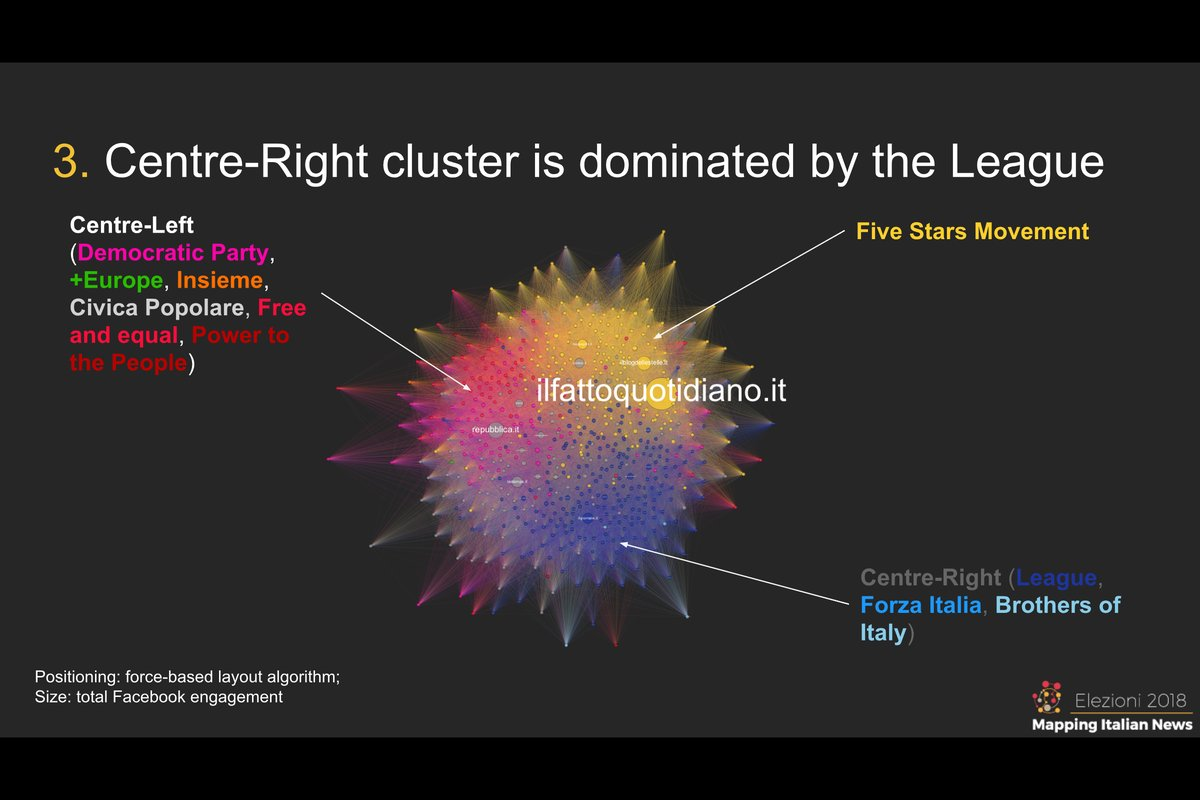
Mapping Italian News sheds light on the main topics and stories that drove attention in the lead-up to March 2018 Italian election.


