The Global Wind Atlas
The Global Wind Atlas displays the typical amount of wind flowing in all areas of Europe, making it easier to identify valuable ares for wind power generation.

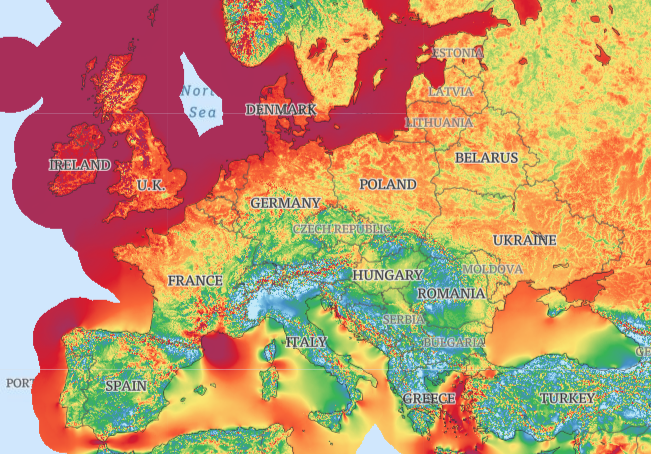
The Global Wind Atlas displays the typical amount of wind flowing in all areas of Europe, making it easier to identify valuable ares for wind power generation.
This post presents a data exploration tool developed by OBC Transeuropa for EDJNet. If you have a spreadsheet with longitude and latitude columns and would like to have a look at those data on a map or associate them with administrative units across Europe, you may find this tool useful.

Five years after the Dieselgate scandal, new research puts some figures on the social costs of vehicle emissions in over 400 European cities. It turns out that the annual damage to each city is worth €385 million on average.

The drastic increase of lobbying expenditure by Big Tech companies is denting Europe’s traditionally strict privacy laws and shifting more power into the hands of corporations. And the COVID-19 is playing in the latter's hand.
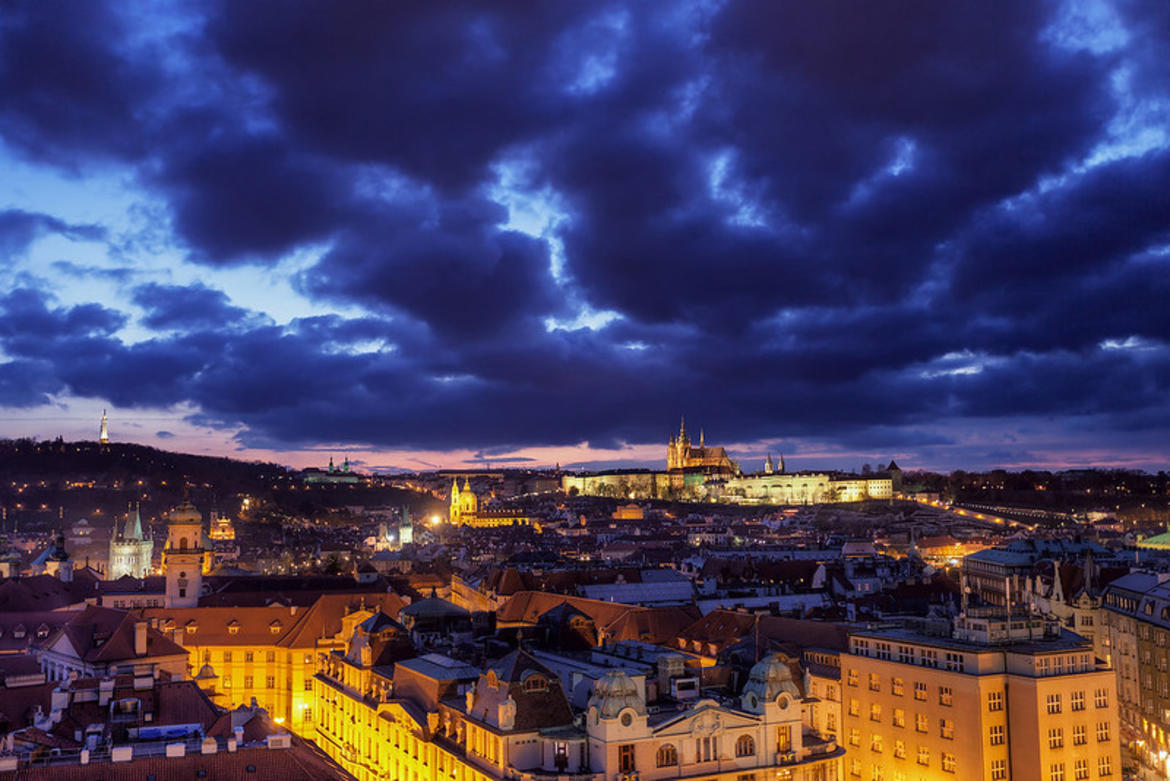
Almost every local government across the EU expects a sharp decrease in revenues this year due to the COVID-19 pandemic. Expenditure on health, social services and civil protection has boomed, while income from tourism and the economy is decreasing.
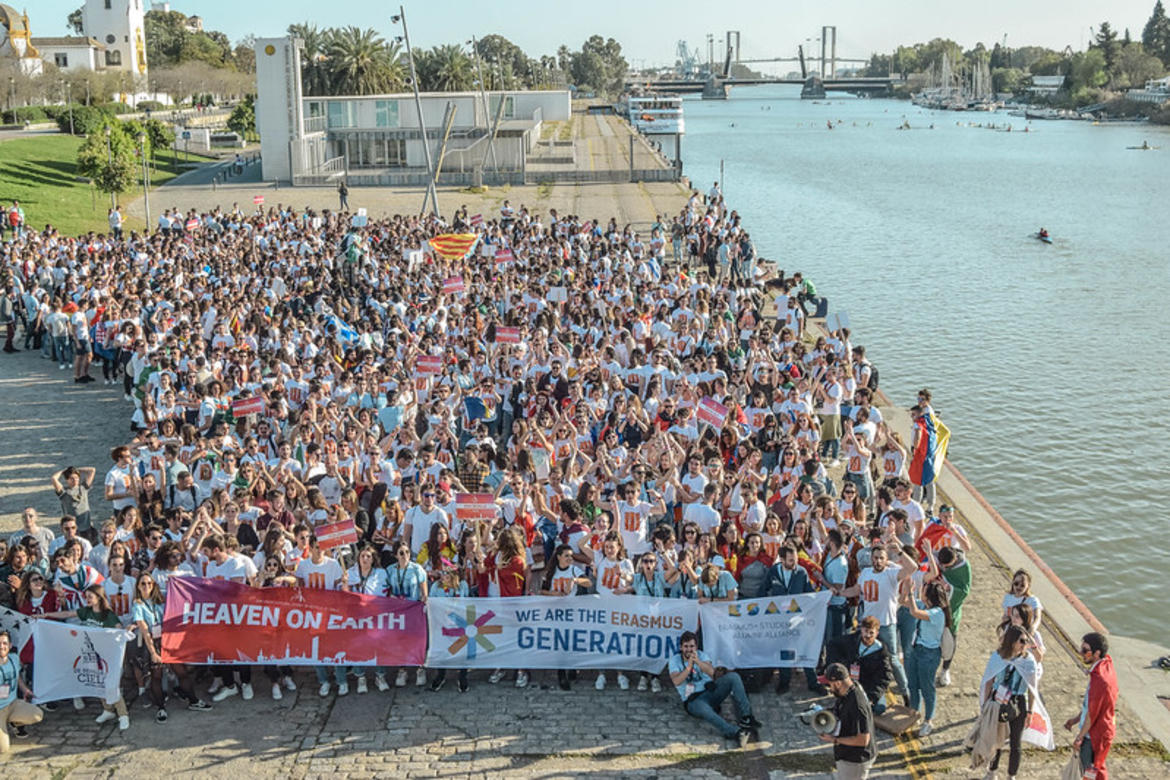
While some of the effects of Brexit are still difficult to assess, the Erasmus+ exchange programme has already suffered the consequences. However, British universities wish to maintain their participation in the European programme.
This post describes a workflow and some points of reference for anyone tempted by the idea of using Google Earth for data visualisation, based on the R language.
The video points at some of the issues that characterise data grids on maps, and shows how gridded data can be generated via satellite imagery and machine learning techniques.

To monitor the spread of the new coronavirus, EU member states have taken additional surveillance measures potentially putting some fundamental rights at risk.

Average temperatures are rising more and more in the Zagreb region, while snow cover is decreasing year after year. However, Jagoda Munić, Director of Friends of the Earth Europe says that “Croatia is a very passive observer of developments around the European Green Deal.”


