
Comparative Study of Electoral Systems
The Comparative Study of Electoral Systems is an international network of studies on national elections.
After the crushing victory of the Law and Justice party in the previous presidential and parliamentary races, the first elections after three years were interpreted as a test of the real support for the ruling party and a forecast for the next ballots. The results of this test were quite confusing.
In Europe, sexist stereotypes hinder the deployment of effective tools to combat gender-based violence. In 2018 the ratification of the Istanbul Convention was rejected by Bulgaria and Slovakia. But even where the Convention has been ratified, its application is slow to advance.
The Comparative Candidate Survey (CCS) has been conducting surveys of all candidates for parliamentary elections in participating countries.
An introduction to the Data Search Engine, developed by the European Data Journalism Network to make it easier for journalists to find relevant material in the two European open data portals.
A surge in retirements, lack of new doctors in training, emigration to countries with better working conditions… by 2020, Europe could be facing a shortage of 230,000 doctors.
The European consumer is hardly buying any hydrogen cars, despite the EU's belief that it has a potential to reduce the use of fossil fuels.
The European Social model is pretty much on its last leg. Over the last few years, social transfers granted by the member states of the European Union are increasingly losing their ability to reduce poverty.
How can the dubious tax practices of GAFA and European businesses be challenged? One of the responses proposed by the European Union involves a project called CCCTB.
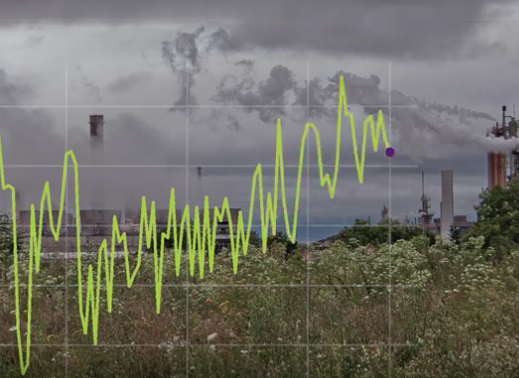
The European Data Journalism Network has recently published a collaborative investigation on the dramatic increase of average temperatures in Europe in the last century. The outcome was jointly published in 16 countries and 12 languages, and were republished by more than 100 European media outlets.