
The energy transition yet to come
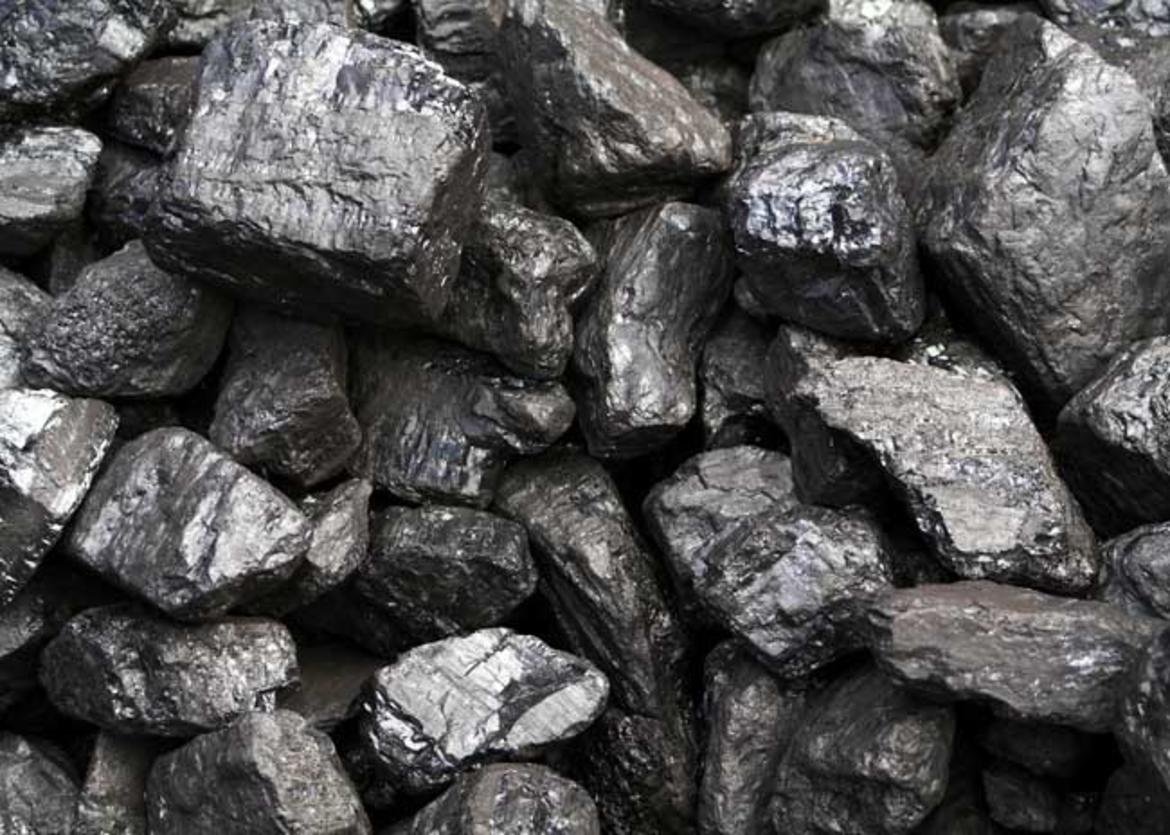
The European Union wants to abandon coal by 2050, but this will require significant help from European banks, which still finance 26 per cent of all coal power plants in the world.
As the European Commission's president Ursula von der Leyen focuses on the combination of environmental and economic measures, one may wonder to what an extent will social issues enter the picture – and whether the European Pillar of Social Rights is still a priority.
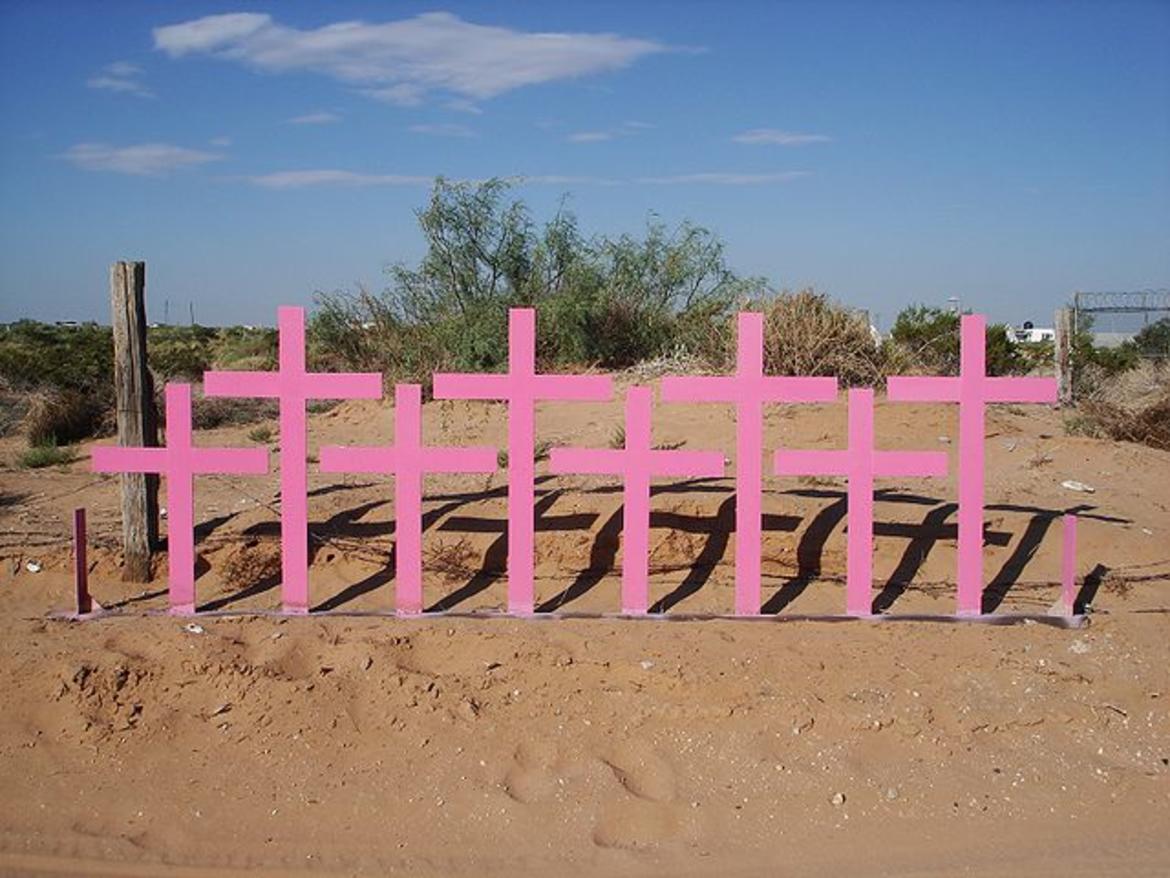
According to a 2014 pan-European survey on gender violence, 50 per cent of women across the EU experienced sexual harassment at least once, since the age of 15. The Grassroots View sheds light on the state of the art of the fight against it.
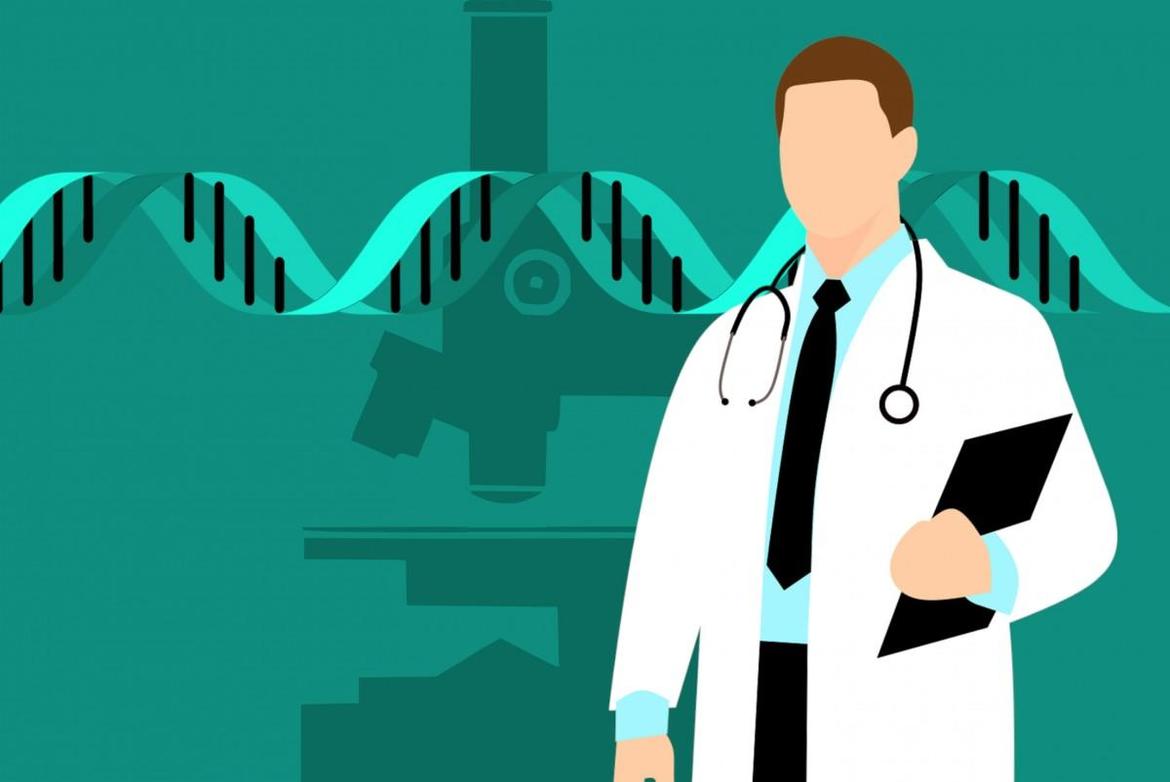
Data shows awareness is key on World Cancer Day, the global initiative led by the Union for International Cancer Control (UICC).
As the EU wants to get ambitious on climate change, it will have to act fast and decisevely on coal – which is the source of 28 per cent of CO2 emissions. About 600 coal-fired power plants are still in operation in the EU, especially in Germany and Poland.
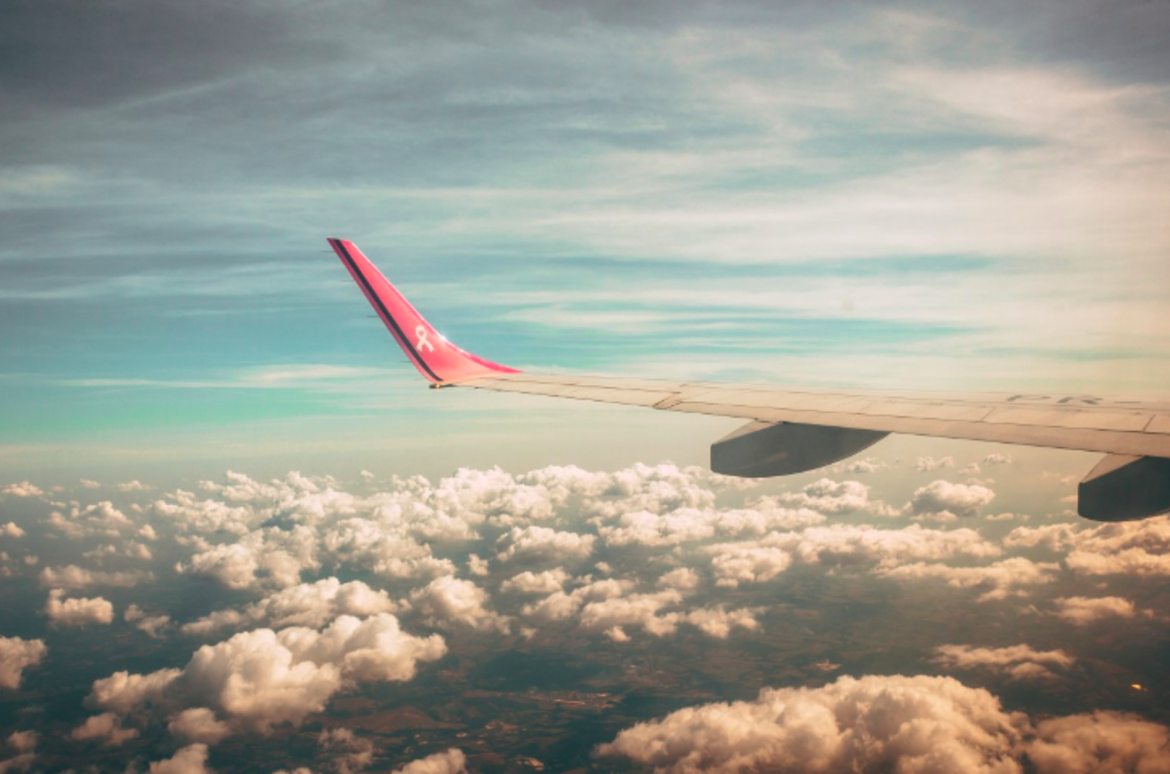
Europeans may see themselves as climate champions, but they just keep flying more and more. The number of passengers has risen by 20 per cent in the last 5 years, and carbon emissions have exploded. It is not just a matter of offsetting them – they must be cut.
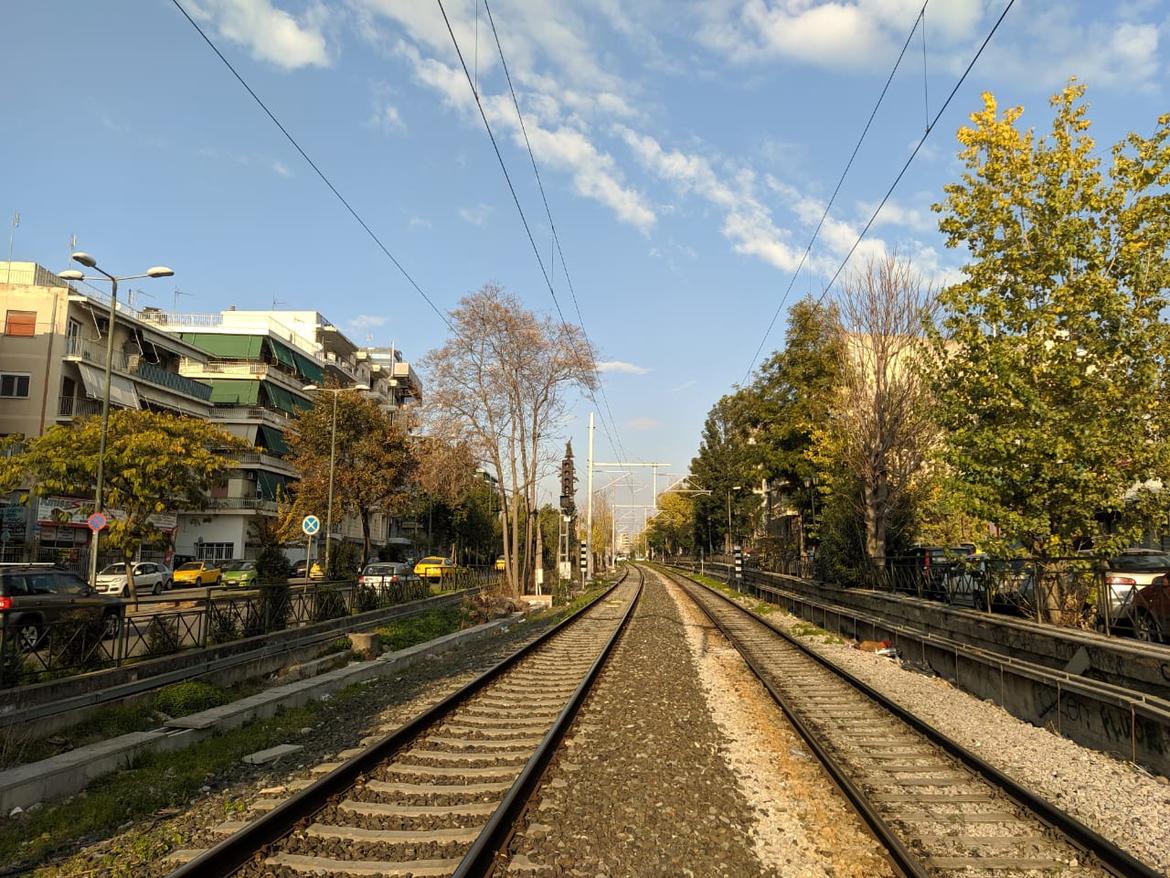
Only 30 km of the whole rail network in Greece has functioning train traffic lights. The installation of new European Train Control System has derailed in the country because of mismanagement – costing tens of millions of public funds and several fatalities.
The European Central Bank is flooding the continent with liquidity. Will this lead to a future financial crisis?
The number of victims of road accidents is decreasing year after year in Europe, but its reduction is slower than anticipated. Every year, about 25,000 people still die in accidents in the EU. More decisive measures are needed, from further lowering alcohol limits to investment in infrastructure.
Multilingualism is one of the founding principles of the European Union, but only one in five Europeans can speak two languages other than their own – even though the picture is improving. What really makes the difference is the effectiveness of language teaching and exposure to foreign languages.