
The Age of MegaFires
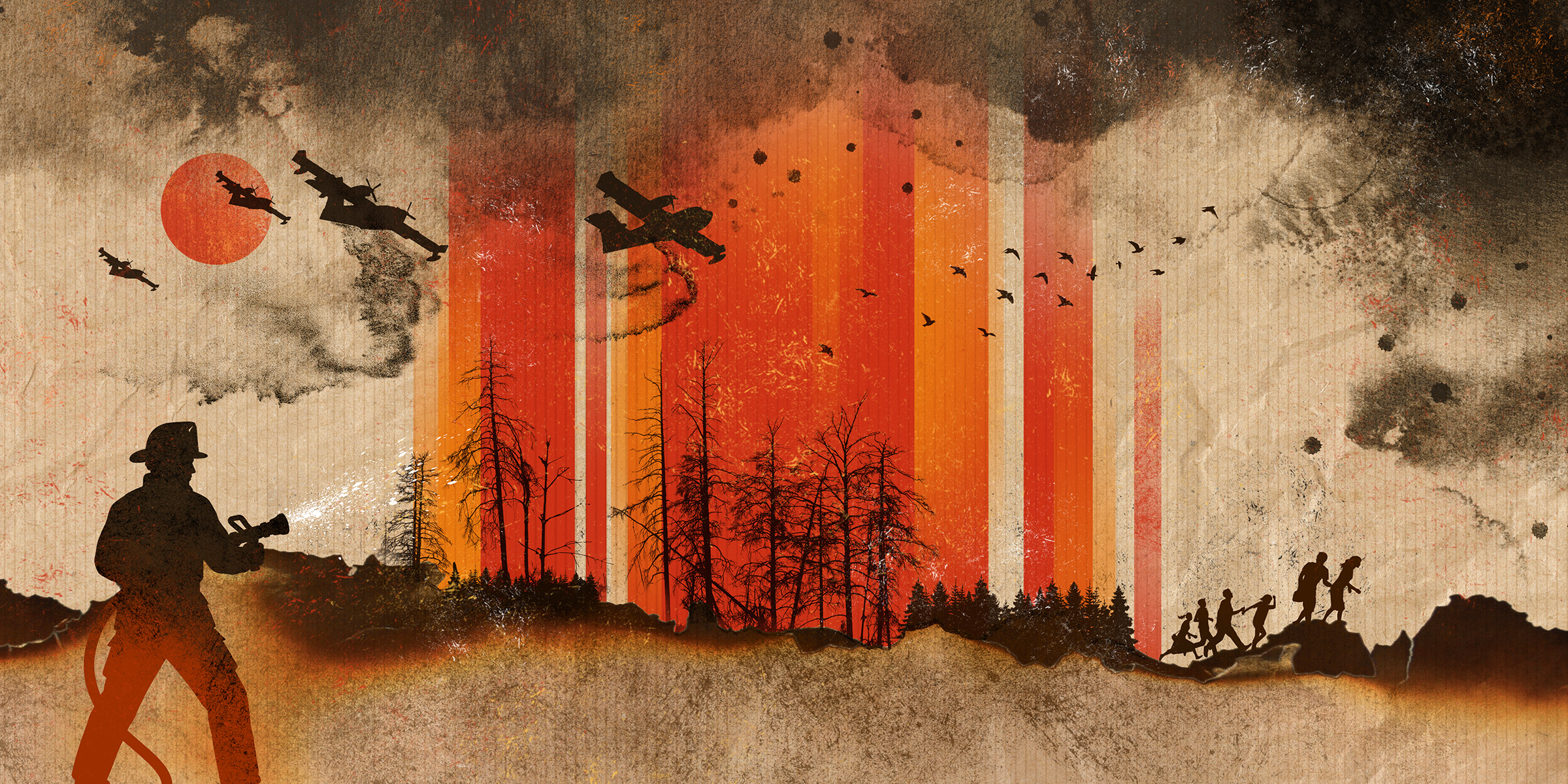
Wildfires have been constantly increasing in scale and level of damages, affecting vegetation, protected sites, and destroying valuable and vulnerable habitats and species in Europe. Between 2015 and 2025, large wildfires have shifted from being outliers to a regular feature, a pattern that became even more visible from 2021 onwards.
An EDJNet investigation coordinated by MIIR analysed how illegal megafires turned into a new normality for Europe, and what kinds of impact does this have on protected ecosystems, mixed lands, and what can be done by states to face this emergency.
Main findings:
- In the first half of the timeframe analysed in this investigation (2015-2020) large wildfires were still exceptional, with the significant case of the 2017 season in Portugal, when 26 fires were larger than 5000 hectares.
- The wildfire monitoring system implemented by the European Commission (EFFIS) shows that Europe’s fires target a small number of regions, mainly in rural areas, and target mostly shrubland and transitional woodland.
- 2025 was the second most destructive wildfire season since monitoring began, in 2000. In total, 18 megafires (above 10,000 hectares) occurred in Europe in the span of just a few months.
- Nearly 1,3 million hectares of burned land overlapped with Natura 2000 protected land, a network of protected areas to preserve endangered species and habitats in the European Union. The most affected countries in this sense are Portugal and Spain.
- More than three-quarters of all burned land in Europe overlaps with just 20 NUTS-2 regions, the administrative scale used to coordinate regional forest policy, climate adaptation, and wildfire preparedness. Portugal, Spain, Italy, Greece and Croatia are the countries where these 20 regions are located.
Stories
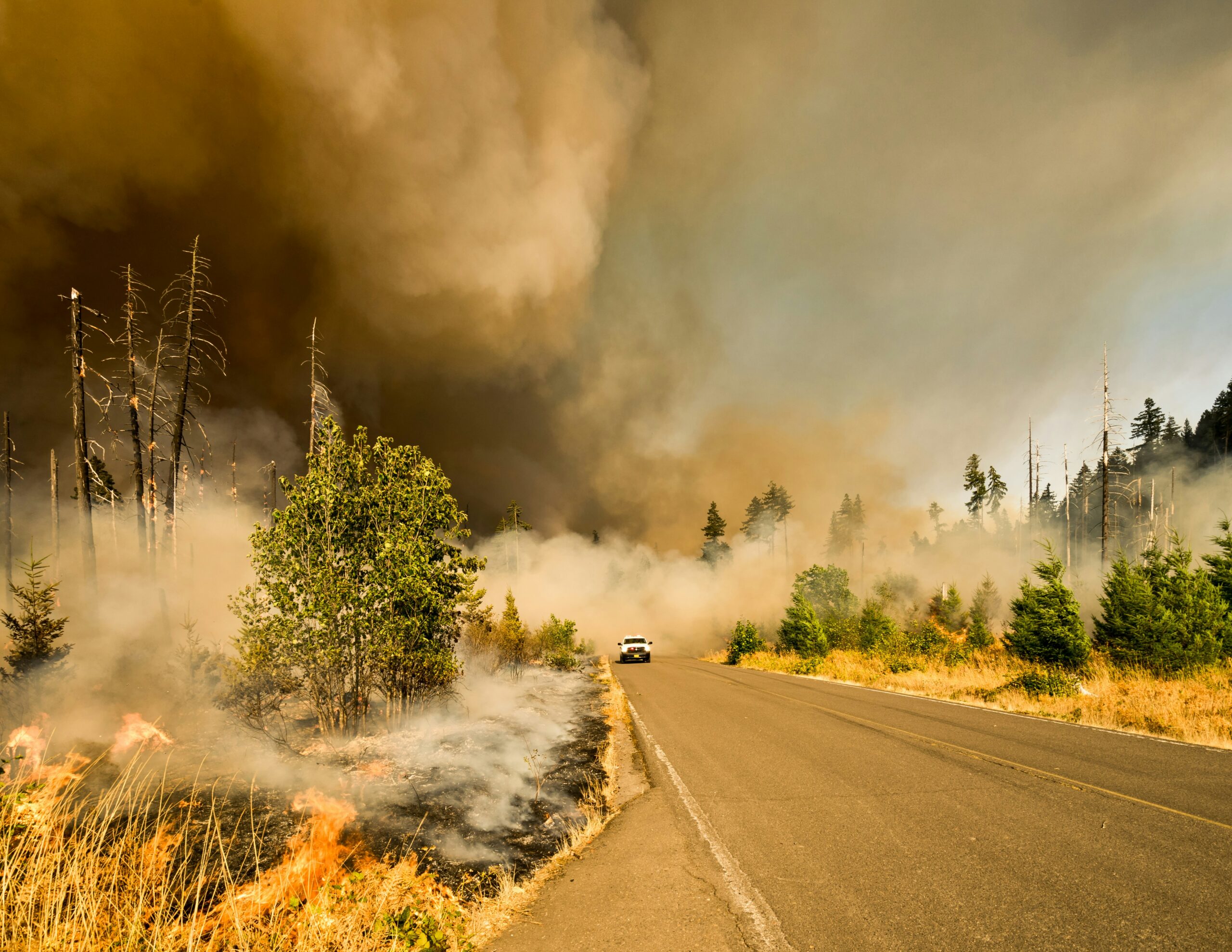
A huge proportion of the land affected by wildfires in Europe belongs to Natura 2000 protected areas
September 25, 2026
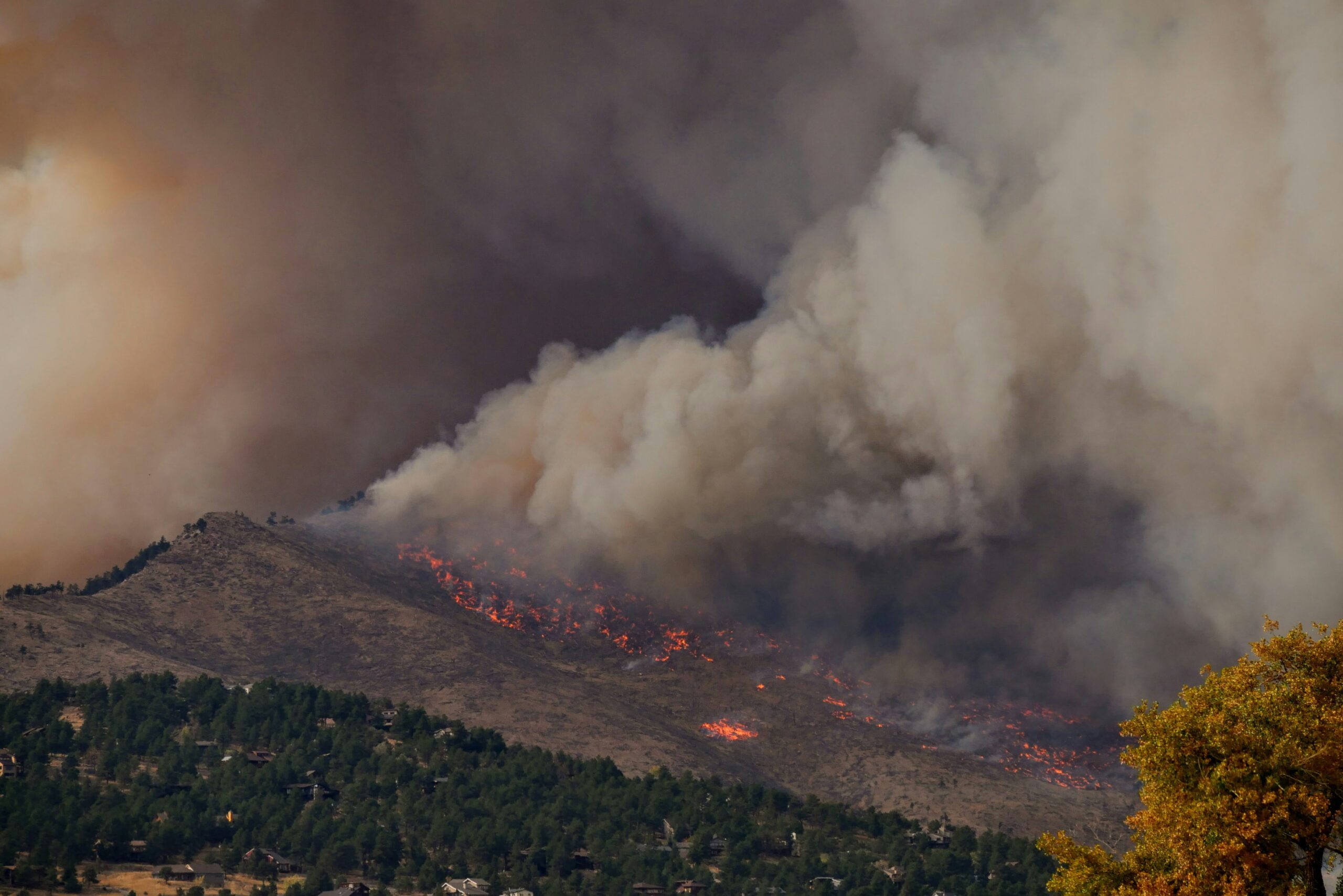
The wildfire crisis that has affected many European countries did not spare Belgium. The intensity of this phenomenon and the country's slow reaction to it are causing growing concern.
September 4, 2026
An analysis on illegal wildfires in Europe revealed that, in the country, more than half of the land burned coincided with protected nature sites, figures much higher than the EU average.
July 28, 2026
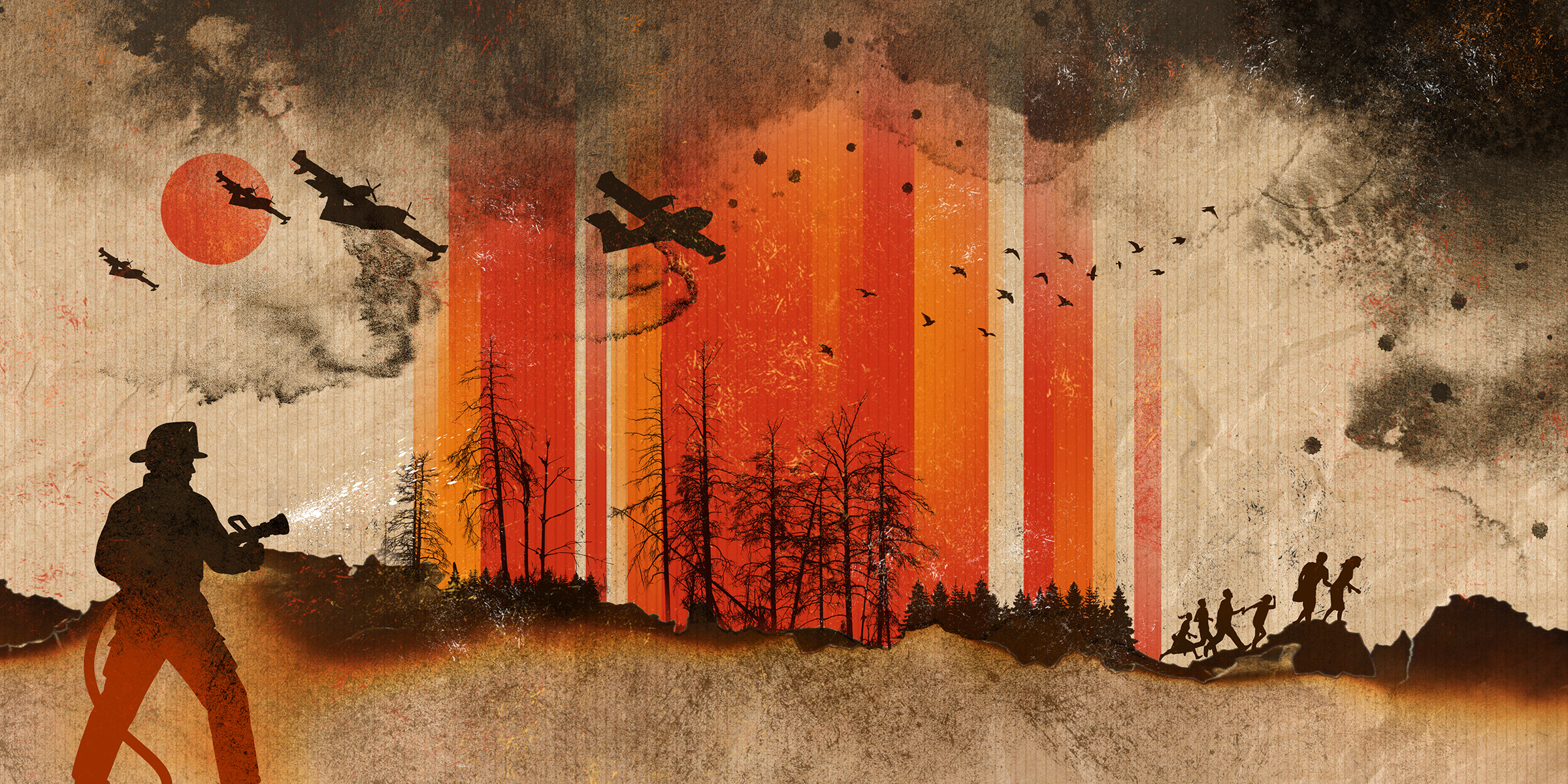
How Europe's biggest wildfires became the new normal
July 28, 2026
The data unit
 Kostas Zafeiropoulos (MIIR, coordinator)
is an investigative journalist at Efimerida ton Sintakton and co-founder of MIIR. He writes feature stories, conducts interviews and investigative reporting. Since 2020, he is a member of the International Advisory Board of Journalismfund Europe, and has received several awards for his work.

Konstantina Maltepioti (MIIR, coordinator)
studied Communication and Media at the University of Athens and Investigative Journalism at the University of Gothenburg. From 2021, she has been involved in cross-border and domestic research. Her main interests include data journalism, stories of economic and environmental crime, political corruption, and social justice.
 Janine Louloudi (MIIR, coordinator)
is a journalist and producer focused on data-driven investigations. She collaborates with various media outlets and worked as a produced for several documentary production. In 2023 she was the recipient of the Balkan Fellowship for Journalistic Excellence (BFJE), while in 2018 she participated as an SNF Fellow at Columbia Journalism School’s intensive “Summer Investigative Reporting Course”. She holds a Bachelor and MA degree from the University of Athens.
EDJNet members which took part in this investigation:

Kostas Zafeiropoulos
Konstantina Maltepioti
Janine Louloudi





Media uptakes
From EDJNet members:
- EFSYN (Greece), Μέγα – Πυρκαγιές: SOS για 4 Περιφέρειες στην Ελλάδα, 25/07/2026
- Atlatszo (Hungary), Több mint 4,5 millió hektárnyi terület vált extrém erdőtüzek áldozatává tíz év alatt Európában, 27/07/2026
- Voxeurop (France), Comment les plus grands feux de forêt d’Europe sont devenus la nouvelle normalité and Grandi incendi: il futuro infuocato e distopico dell’Europa, 28/07/2026
- ChatEurope, How Europe’s biggest wildfires became the new normal, 29/07/2026
- Atlatszo (Hungary), A tűzvészek kora – Így váltak Európa legnagyobb erdőtüzei az új normává, 31/07/2026
