
Making Europe’s public transport green
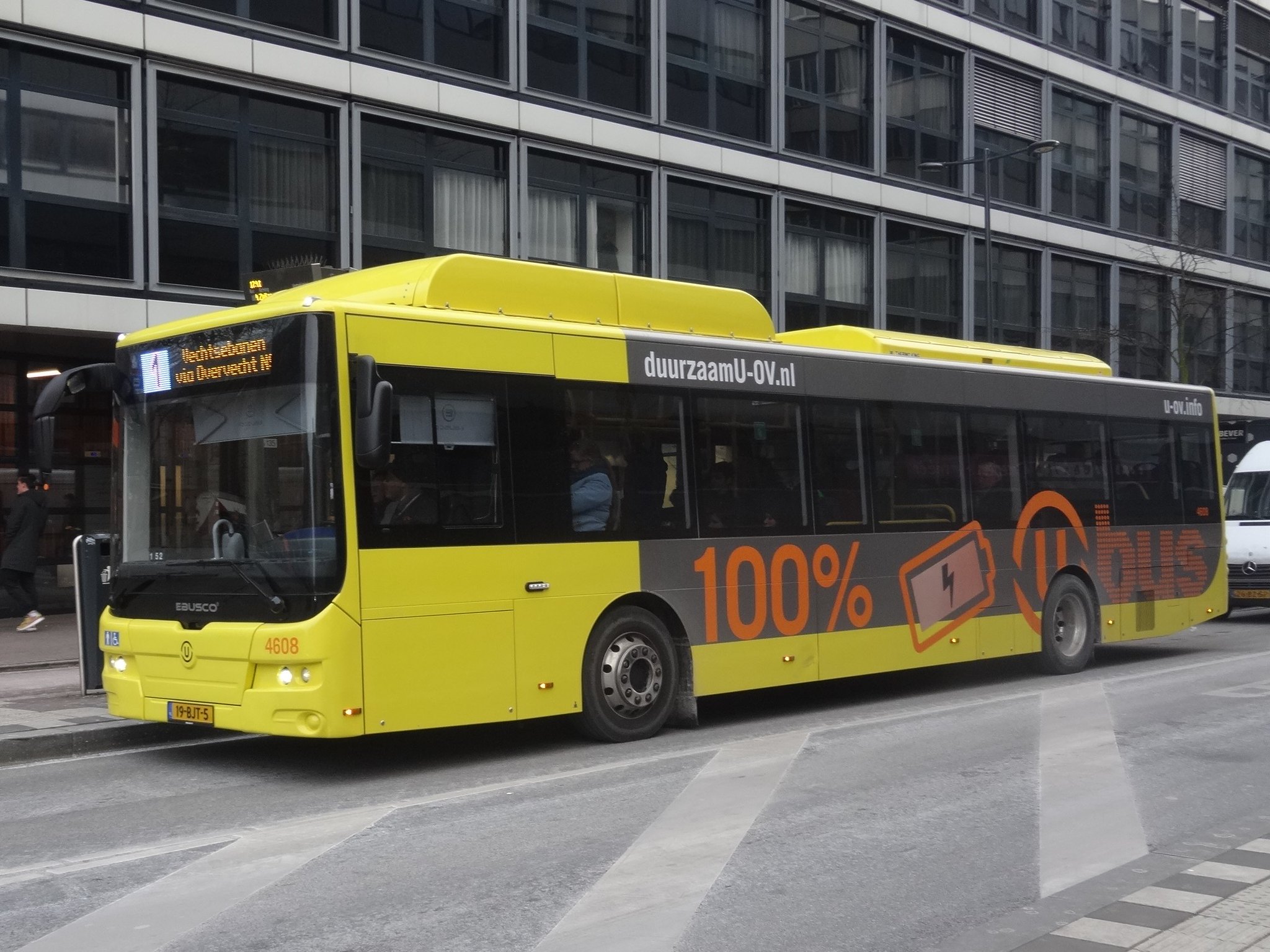
25815207897_5a25a16b07_k
© harry_nl / Flickr
The European Union has been actively fostering the transition towards more sustainable public transport, this being one of the targets to eventually reach the goal of climate neutrality by 2050. However, many European cities have not committed to zero-emission pledges, as proven by the long-standing presence of diesel only-buses on the road.
An EDJNet investigation led by Deutsche Welle checked how fast the green transition is going in Europe, and what means could prove helpful in accelerating the switch towards zero-emission public transport.
Main findings:
- The number of electric buses across European capitals and selected cities increased by 55% between 2021 and 2025, representing the 20% of the total fleet. Despite this improvement, diesel-only buses are still outnumbering those running on alternative fuel.
- The cost of purchasing electric models may be a pressing factor in discouraging a quicker switch to electric-based fleets. 20 out of the 31 cities included in the sample still feature bus fleets mainly composed of traditional vehicles.
- Transitioning towards green public transport is the only process in which the gap between EU’s ambitions and real-life greenhouse gas emissions are still above 1990 levels, despite the EU targets.
- Sudden changes in road transport systems to achieve the cut of greenhouse gas emissions by 90% by 2050 are not feasible. Rather, transport decarbonization must go hand-in-hand with complementary ways of attracting more passengers to use public transport instead of private vehicles. Similarly, multimodal transport system can be a meaningful step to encourage city dwellers to combine different transport modes in small places where cars are still prevalent.
Stories
-
European cities are trying to reduce pollution in many ways, including by making public transport greener. While valuable, these efforts may not be sufficient to meet the ambitious zero-emission goals set by the European Union.
October 19, 2026
The data unit
 Ana Muñoz Padrós (Deutsche Welle, coordinator),
is a data journalist at Deutsche Welle. She explores crucial societal issues ranging from critical minerals in Africa to migrants’ experiences in Europe through data analysis and visualisations. Before joining DW, she studied data journalism at Columbia University and contributed to several cross-border investigations.
EDJNet members which took part in this investigation:

Ana Muñoz Padrós, Gianna-Carina Grün, Sarah Steffen, Eva López, Farah Bahgat, Rodrigo Menegat Schuinski, Julian Peschel, Emmy Sasipornkarn, Kira Schacht

Anna Absolonová
 Gian-Paolo Accardo

Kata Moravecz

Giovanni Vale
Media uptakes
From EDJNet members:
- Deutsche Welle (Germany), How green is Europe’s public transport?, 12/10/2026
- Deník Referendum (Czech Republic), Data-analýza: Evropská města přecházejí na elektrobusy. Některá ale zaostávají, 16/10/2026
