
Fashion sustainability
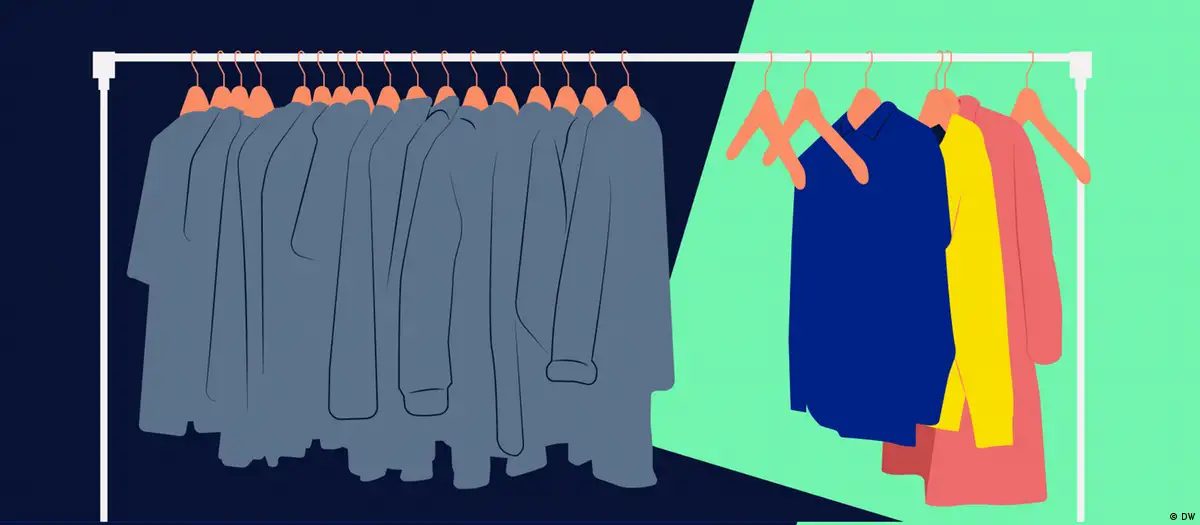
In the last twenty years, the concept of sustainability went through quite a journey: from a marginal word in companies’ public communications, to a full-fledged buzzword. During this timespan, consumers have been paying increasing attention to climate change, pollution, and labour practices, and they are expecting fashion brands to do the same.
An EDJNet investigation led by Deutsche Welle checked how well are European fashion brands dealing with the requests for increased sustainability, and what is the distance between their claims and the actual facts.
Main findings:
- The majority of brands began including sustainability reporting only around 2015 or later.
- Analysed companies achieved only about half of the sustainability targets they set for themselves with expired deadlines. One in three commitments failed, with the rest unclear.
- Nearly half of the 468 sustainability claims analysed were found to be either vague or potentially ambiguous, making it difficult for consumers and regulators to hold brands accountable.
- Sustainable cotton is an issue for most companies. Phasing out synthetic fibers is still problematic for many brands. There are promises to use “more sustainable materials”, but these can often include questionable fabrics like recycled polyester.
Stories

From jeans that changed colour to a jumper that bobbled after a handful of wears, a lot of these clothes did not hold up.
December 1, 2025
DW and EDJNet investigated almost 500 sustainability claims to find which fashion companies keep their commitments, and which skirt the issue.
December 1, 2025
The data unit
 Kira Schacht (Deutsche Welle, coordinator),
is a data journalist at Deutsche Welle. She studied data-driven journalism at the Technical University of Dortmund and trained at rbb science. She uses data analysis and visualization to cover environmental, social, and cultural topics.
EDJNet members which took part in this investigation:

Media uptakes
From EDJNet members:
- Deutsche Welle (Germany), Fast Fashion bis Luxus: So nachhaltig ist Europas mode, 24/11/2025
